10 Reliable Methods to Grow Your Website Traffic in 2022

Your website is the foundation of your online presence. It’s where your visitors will learn about you and your business, and how you can help them.

But if your website isn’t being found in search engines, then it might as well not exist. Search engine optimization (SEO) is an effective way to get more traffic to your site and ensure that it reaches your target audience. 

If you want to grow your website traffic, you must be aware of the fact that it is not an overnight task and it’s a long-term process. 

SEO is a great long-term strategy that combines technical and creative elements to improve your website’s visibility in search engines.

In this article, I will share with you how you can grow your website traffic in 2022. So let’s get started. 

1. Keyword Research

In SEO, keyword research is the first and foremost step. You need to understand what your audience is looking for on search engines or else you will not be able to target them. Simple keyword research can help you understand what kind of content they want, how they want and where they want. 

Identify the specific keywords that your audience is using to find your product or service. If you’re not sure of the best way to do this, you can hire a freelancer or use a tool like Ahrefs, which has a Keywords Explorer tool

You can also use Google’s Keyword Planner to find popular keywords that people are searching for related to the product or service you offer. Then, you can create content around those keywords to increase the number of visitors to your site who are interested in what you offer.

The other option is to talk with your target customers and ask them what words they would use in search engines. You should be optimizing each page on your site for a single keyword or keyword phrase. 

Choose a keyword that has high search volume and low competition and make sure to include keywords in your page title, description and URL.

2. Quality Content

Content is king when it comes to SEO, so make sure that each page has high-quality content that provides value to your readers and includes the targeted keyword at least a few times naturally within the text. 

Once you have a list of keywords, create content that contains these keywords and phrases. Make sure each piece of content has at least one keyword in the title tag and throughout the body text. 

Create content that is valuable and helpful to the reader. High-quality content will bring more visitors to your site. 

Focus on creating quality content that provides value to the readers rather than focusing on creating quantity content. Avoid writing and publishing content only for the sake of it. 

There is too much information on the web already so no matter what niche you are in, chances are there are thousands of articles available online that are similar to yours. This is why you need to ensure that the content you publish is better than the rest so that people want to take action based on your content. 

Quality content has a higher chance of getting social shares which will also help in improving your ranking by sending a positive signal to Google about your website’s credibility.

3. Internal Linking

Internal linking refers to adding hyperlinks from one page on your website to another page on the same website. This improves user experience and also helps in passing link juice between pages which helps in improving the ranking of pages indexed by search engines. 

It also helps search engine bots crawl deeper into your site helping them discover more pages which eventually results in a better indexing rate for your website. Link from one web page on your site to another web page on your site. This helps Google understand how your website is organized and how users should navigate through it.

Linking to other relevant posts from your blog can help users stay longer on your website and also improve SEO. 

4. Titles and Metas

Your title tag is the first thing search engines see when they crawl your website, so it’s important to write these tags appropriately for each page. For instance, include the primary keyword that you want to rank for in this tag (if possible).

The title tag is one of the most important SEO factors for any page so make sure to include your main keyword in page titles, H1 tags and vice versa. Also, create a meta description for all pages and make sure to keep them under 155 characters.

5. URL Optimization

A URL is a specific web address that contains the name of a specific webpage. For example, you can find the URL of this article at the top of your browser.

URLs are important for SEO because Google uses the words in a URL as a ranking factor. If your URLs are poorly optimized for your target keywords, then it’s likely that your site won’t rank well in search engine results pages (SERPs).

Since they are one of the most important ranking factors of any web page, make sure that they are short, descriptive and include your main keywords in them.

Create a short and simple URL that can be parsed easily by the search engine. The shorter the URL the better for your website. 

URL Structure is very important for the betterment of search engine optimization. By optimizing your URL structure, you can make it easier for search engines and users to understand what a specific page is all about. 

An optimized and clean URL helps the users to remember the page’s link easily and quickly.

6. Web Pages Speed

Web page speed is one of the most important factors when it comes to website performance. It can help you improve the user experience and avoid a high bounce rate.

Therefore, web page loading time should be considered seriously by any business owner or marketer. If they have to wait too long, they’ll probably leave your page before it fully loads which will lead to a bounce rate increase and decreased SEO ranking.

7. Responsive Web Design

A responsive design means that a site adjusts itself according to the type of device used by its visitor (desktop, tablet or mobile phone). The responsive theme adapts the screen size and makes it easy for users to navigate through your site.

Make sure that your website works well on all devices – mobile, tablet and desktop computers. Users want their content to be delivered quickly and in a format that is easy for them to digest. 

A responsive design helps with this as well as improving SEO rankings overall because Google favors websites with mobile-friendly versions of their site. 

8. PPC Ads in Search

Pay per click (PPC) ads are an extremely popular method of promoting a business through paid advertisement. In this case, you pay every time someone clicks on your advert or views your webpage listing. 

Advertisers who are able to produce relevant, meaningfully targeted pay-per-click campaigns are rewarded by search engines by charging them less for ad clicks. Google charges you less per click if your ads and landing pages are useful and satisfying to users. This leads to higher profits for your business. 

So if you want to start using PPC, it is important to learn how to do it right.

At first, it will cost you some money but it will bring you a good result in the long term. Pay-per-click ads is a great way to get more visitors to your website if used properly. Search engine advertising gives your business more visibility in search engines and on social media platforms via paid ads. 

The benefit of paid ads is that they help your business be discovered by people who are searching for products or services similar to yours.

9. Social Media Advertising

Social media advertising is another popular method of generating traffic to your website. 

The purpose of social media platforms is to connect with your audience to build your brand, increase sales, and drive website traffic. This includes publishing high-value content on your social media profiles.

In order to do so, you need to listen to and engage with your followers. Make sure to analyze your results after running your social media advertisements. 

Social ads work best when used in conjunction with other techniques like content marketing, SEO and PPC advertising. 

This method can be incredibly influential in driving traffic to your website. And the more traffic you receive, the faster your brand awareness will grow. 

10. User Experience

User experience (UX) is an essential part of any digital product such as websites or mobile apps. It has a huge impact on conversions, click-through rates and overall user satisfaction with a product or service.

If your website or app is hard to use, people will quickly leave it and go somewhere else. This results in lost conversions, fewer sales and less traffic. 

The first impression plays a big role in whether a user stays and engages with your app or website. If it’s hard to use, people will quickly leave it and go somewhere else. The difference is big — only 3 percent of users revisit an app after a bad experience, while 50 percent abandon an eCommerce website after one poor experience.

Usability is an important characteristic of a product that allows the user to easily interact with the product, this yields several benefits including efficiency, comfort, and satisfaction.

Final Thoughts

If your website traffic is not increasing then you need to take a deep look into your SEO strategy. Most website owners are only focusing on keywords and content. 

However, there are many other factors like Titles, Metas, URL optimization, Images, PPC ads and Social Media that can increase search visibility as well as user experience. 

Today, user experience is very important to boost up Conversion rates of a website. As user experience continues to become more important to a site’s success, SEO must account for it as well.

Look at the tactics that you have today. Is there room to grow? Are you doing everything on this list? 

After your audit is complete then decide which option makes the most sense. Some of these ideas are generic and others are industry-specific, but all can be effective ways to grow your website traffic in 2022 and beyond.
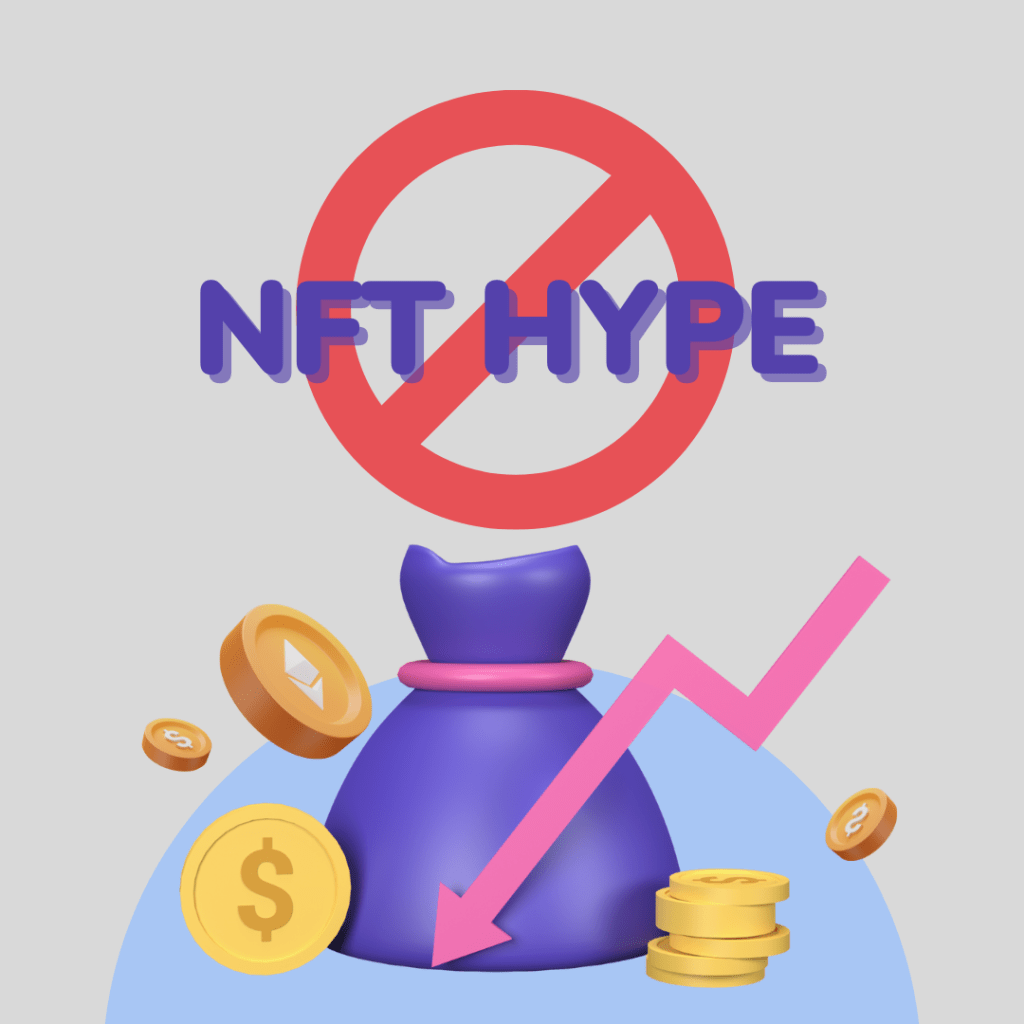
The Impact of NFTs on the Gaming Industry

Over the past few years, the gaming industry has encountered a ton of changes. Blockchain and cryptocurrency are just two of the most significant advances in the industry, with many more to come.

For those who aren’t familiar with NFTs, they’re a form of cryptocurrency that can be traded on blockchain platforms like Ethereum. 

Each NFT is unique, and it represents something different depending on what game you’re playing. It could be an item for your character in an RPG, or it could be an in-game currency such as Smooth Love Potion or Vigorus. There is no doubt that NFTs will make a significant impact on the gaming industry. 

In this article, we’ll explore how NFTs will affect the gaming industry and how they will change it.

The NFT hype will end.

The gaming industry has long been at the forefront of blockchain innovation. Back in 2012, Bitcoin was used to make in-game purchases for the MMORPG, Entropia Universe. Since then, the industry has seen an explosion of crypto games, using everything from Ethereum to TRON and even EOSIO.

One of the biggest trends is the integration of blockchain and crypto into the world’s most popular games. 

In particular, NFTs, or non-fungible tokens, are becoming a major part of modern gaming. More and more game developers are exploring the commercial side of non-fungible tokens (NFTs).

Over the past year, the number of streamers on Twitch, YouTube and Facebook has grown from 5 million to over 11 million. E-sports has been a huge hit in the live streaming market this year. And the industry has evolved into a whole new space like the Metaverse.

NFTs are no longer something new. In fact, the NBA’s Top Shot has been using them in their game to reward players with special cards featuring their best plays of the season. They are so successful that people are starting to sell them at high prices on eBay.

According to data pulled from NFTGO.io in 2021, the total market cap for NFTs surged from $4.2 billion to more than $10 billion. Over seventy percent of that growth was within the last four months.

Ultimately, 2022 will be the year NFT games become mainstream — the new normal for both gamers and NFT enthusiasts. 

Gamers will have more ownership over in-game assets.

One of the most important things that make games different from other forms of art is that they’re meant to be interactive. You’re not just watching a movie when playing a game; you’re an active participant in what’s happening on the screen.

This means that your actions have an impact on the world around you, which is one of the reasons why video games are so popular among gamers. The ability to interact with the environment is one of the main reasons why people play video games instead of just watching movies or TV shows.

A key to enticing gamers into any ecosystem will be the way rewards are distributed. For games to stand a chance at being relevant, the gameplay is crucial. This is followed closely by ownership and dividends for the time devoted to a given platform as they are forms of investment as much as entertainment. The play-to-earn (P2E) distribution model is more of an add-on for gamers at heart.

Some blockchain-based platforms like Gamerse’s offer further incentives to gamers through their “share-to-earn” model. However, P2E still does not offer sufficient rewards to gamers. This is where the share-to-earn model has worked well for many Web3 games.

Gamerse, a cross-chain social platform for NFT gamers, provides NFT game developers with a simple way to connect with their users and the wider NFT gaming community. By doing so, the APY yield for the group’s holdings is decided by group activity and group participation is rewarded.

Several games could implement the share-to-earn model or come up with new reward systems, which without a doubt will be a functionality in the NFT gaming ecosystem.

Players can earn real money by selling their in-game assets.

Games that are competing for players’ attention will have to be more compelling than simply integrating tokenization. 

That doesn’t mean that NFTs won’t remain relevant. They might become a point of discussion among the hardcore gaming community, much in the same way that Diablo 2 players obsess over their item drops and trading opportunities. 

It is possible to imagine a future where a game like Fortnite remains popular but becomes associated with its own “darknet” market for trading skins and other digital assets. 

Players could make huge profits by selling rare items at high prices, creating a potentially lucrative second economy beyond the game itself. That would likely change how players interact with one another and could dramatically alter the gaming experience in ways that are difficult to predict today.

Blockchain can help secure games against unauthorized use of in-game assets.

While simultaneously protecting players’ privacy, blockchain technology can help secure games against unauthorized use of in-game assets.

In-game asset trading has been a part of the gaming ecosystem for a long time. Companies like Steam and GoG have been offering their users a way to buy, sell and trade games for years. 

With the advent of blockchain technology and its applications in gaming, the way gamers interact with their favorite games is about to change.

Blockchain technology allows for the creation of digital assets that are backed by both real-world value and an immutable record on the blockchain ledger. This means that these assets can not be copied without invalidating their value on the market, which protects game developers from piracy as well as unauthorized use of in-game assets.

These digital assets are also traded peer-to-peer through online marketplaces, which allows gamers to earn income from their favorite games while also giving them full ownership over these digital items. 

Key Takeaway 

NFTs could change the gaming industry and how we experience digital gaming in a very positive way. For non-fungible tokens to evolve within gaming, all the variables need to come together. 

The most important piece of the puzzle is for gaming companies—particularly those producing free-to-play mobile games—to decide that embracing NFTs makes sense for their business. And that decision won’t be made overnight.

Since cryptocurrencies are very volatile, NFT games are already opening their doors and targeting traditional gamers to widen their reach. 

In order for NFT games to sustain their business model, they cannot solely rely on the play-to-earn mechanics as their token may lose its value depending on how the market plays out.

By being free-to-play and play-to-earn, they are able to cater to a broader array of audiences. Players can now choose to enjoy the game through a relaxed approach or if they want to grind and earn from their efforts and investments.   

Companies will have to consider the different benefits NFTs can offer in comparison to other kinds of tokens, and use their resources to build out the necessary infrastructure. But if more companies do decide to embrace NFTs and build out this technology, it could lead to a defining moment for gaming culture.

3 Surprising Tips to Fast Track Your Fitness Goals

You’ve probably heard before that exercise is good for you, that it helps “improve your mood.” But let’s be honest, not everyone has the motivation to break a sweat to shed that stubborn fat. 

So, what can you do to help you stick to a workout plan and enjoy it? In this article, we will break down these tips for you.

1. Know Yourself

Although it is in our best intentions, most of us find it a challenge to get started or to keep a consistent schedule to get out of our sedentary lifestyle. 

So, if you’re finding it difficult to exercise or follow through, you’re not alone. 

This will depend on your genetics, how your day-to-day schedule will look, and other factors that will affect your feelings towards sticking to a fitness routine to reach the goals you have. 

You’ve got to be honest with yourself here. Start by using the SMART framework or your own guide that will help you come up with a plan and stay the course.

Now, these could seem overwhelming at first, but the trick here is that you have to start small, track your progress, and structure how each day will turn out. 

Notice how I point out the importance of putting things into writing because being able to see the data gives you something to focus on. 

In fact, this is the motivation for you because visual results can take weeks, if not months.

Once you get everything in place, the next step you need to take action on will be your habits!

2. Consistency: Eliminate Bad Habits, Create Good Ones

As the saying goes, “out with the old, in with the new”, you need to move forward. You’ve already listed down the things you know about yourself. This is basically a no-brainer, but old habits die hard. 

So, what can you do to purge these bad habits to help make way for the new? Consistency!

Habits are products of our behavior, which is an accumulation of several repeated instances. Like normal, you wake up, perform the action again, and continue what you usually do. 

It’s pretty straightforward and after a few days, that action sticks. 

Go at your own pace and find out what is viable for your circumstances.  You can also hire a personal trainer or coach to keep you accountable as well as guide you.

To make it easier, you can start by putting your workout clothes beside your bed, so that once you wake up, seeing them gives you a reminder of what action you need to take.

Remember, slow progress is still progress. Don’t feel discouraged by the noise and focus on your journey. 

3. Think Outside the Box

Do something out of your comfort zone or learn a new skill. This will not only provide you with additional knowledge but will also give you a new perspective on life. 

Not only will this help you expand your view of problems but also the comprehensiveness of solutions you can find.

Key Takeaway

Don’t just go to the gym and lift weights. Things can get monotonous if you don’t add some variety to spice things up. Be creative. Do some calisthenics, enroll in a yoga class or sign-up for martial arts. 

Anything that can get you moving. Engage with a community or group that can help you towards your goals, not just in fitness, but in life as well. 

Always remember to keep an open mind and don’t be too hard on yourself. 

Enjoy life, above all, enjoy the journey! 

5 Tips to Grow and Sustain Your Online Fitness Coaching Business

Are you looking for ways to take your fitness business online?

If you’re reading this, then you’re probably still on your way to becoming a fitness coach or…

… already coaching online or at the gym and would like to get more clients or…

… looking to take your business to the next level,

then these tips are for you!

These tips will help you sustain your fitness business for the long term and provide you with the right mindset and attitude toward building a sustainable and profitable business online.

1. Determine your niche.

When starting an online fitness business, find out what your niche is.

With such a saturated market, people copy other trainers because they have a lot of views or followers or try to be a “Do-It-All” fitness trainer. This is a big no-no and should be avoided, as it does not bode well for you in the long run. Find out what your strengths are and do what you’re good at.

This is also relevant for coaches who have multiple certifications or teach multiple disciplines like yoga, bodybuilding, calisthenics, and vice versa.

It is better to focus on your area of expertise than to be a jack of all trades. By doing so, people will have more trust in you in helping them reach their fitness goals.

2. Establish your Unique Selling Point (USP).

What do you believe is your unique selling point?

Is it your personality, your years of experience, or the people that you’ve been in business with? This will determine how you can position yourself in an industry where competition is high.

3. Use technology to your advantage.

Considering the recent pandemic, COVID-19, the fitness industry is staying relevant. People are changing the way they operate. As a business, you need to take extra precautions and look into the buying patterns and shifting priorities of clients.

Everything is now moving online, and technology has made everything convenient, faster, and better.

Take advantage of this trend and invest in social media, partnerships, and referrals. With a budget in mind, having your own website and mobile application can also be a way to grow your presence online.

Nowadays, there are many platforms or third parties that offer these services as a package to help fitness coaches with the legwork, software, profile management and the nitty-gritty parts of running an online business.

4. Stay Up to Date

Being up-to-date with the latest trends and knowing what your competitors are doing can help you position yourself in a way that is helpful.

This is to prepare you and equip you for any challenges or unforeseen circumstances that may arise in the future.

The more you are informed, the better your approach is to your clients and how you connect with them on a personal level. Your knowledge of what is in and what works for a specific situation can be your greatest asset.

5. Innovate

Having a successful online fitness business does not mean you should stop improving or growing.

You need to innovate and take your current business to the next level.

You can start by getting feedback from your clients and improving your classes, workouts, and exercises to be more fun and engaging. If you have not tried doing a group class, you can venture into doing one in order to test the waters.

The Key Takeaway

Do take note that these tips are not an end-all-be-all. There are many other tips that you can incorporate to help your online fitness business. Use this as a starting point for your online business journey.

Times are changing, and you have to adapt to the dynamic circumstances.

You never know what will work for you if you do not try it!

Design a site like this with WordPress.com
Get started